

If you’re considering purchasing one of the many historic homes throughout the United States, it’s important to determine whether the property is listed on the National Register of Historic Places (NRHP).
Managed by the National Park Service, the NRHP identifies properties the federal government seeks to preserve for their historical significance. For homeowners, this designation typically means that renovations must maintain the home’s historical integrity, often requiring replacement materials that match the originals, as outlined by the National Park Service.
Not All Historic Homes Are Governed by the NRHP
Many historic homes—especially those with regional or community significance—are protected by local historical societies. In addition, properties located within designated historic districts must comply with regulations established by that district.
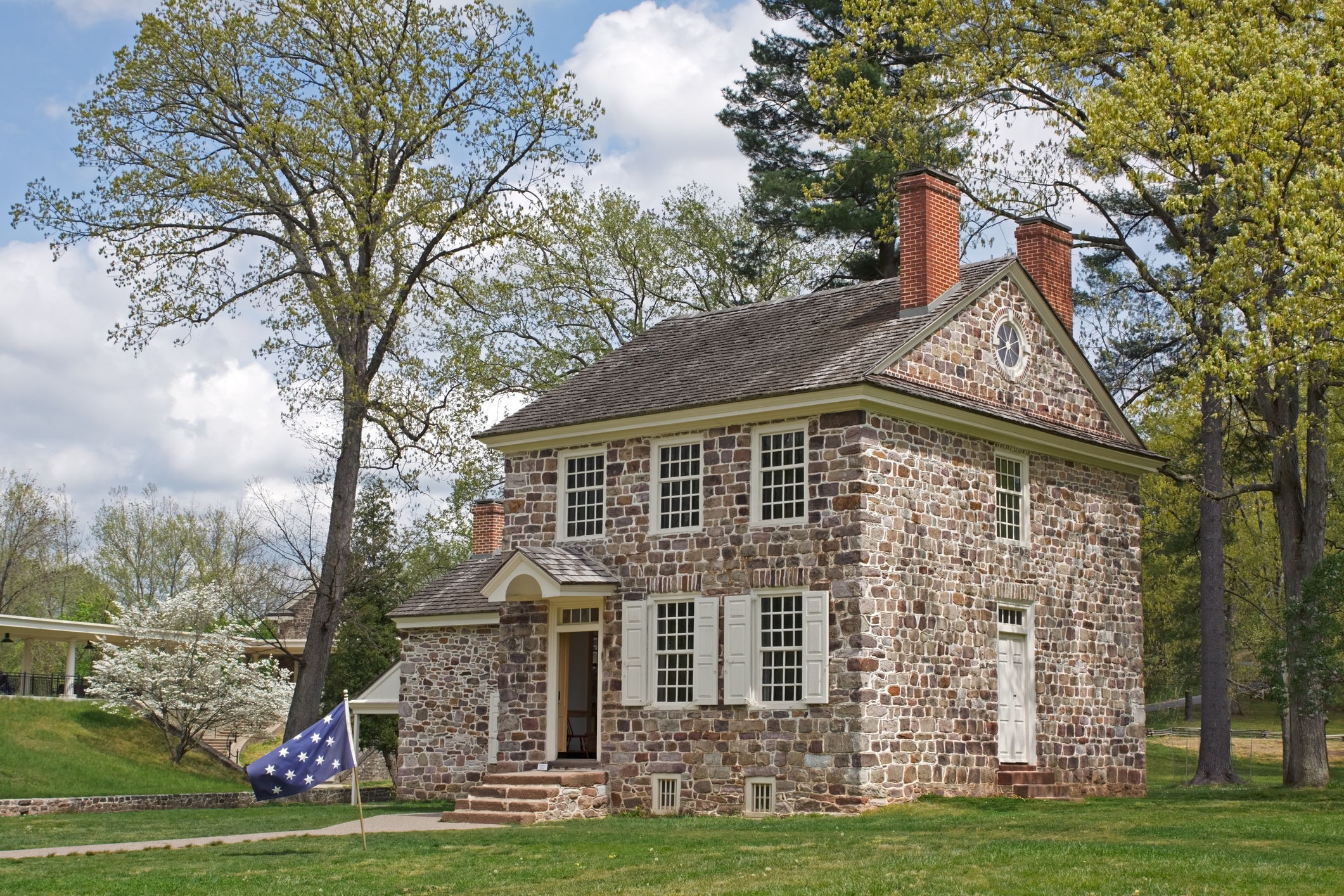
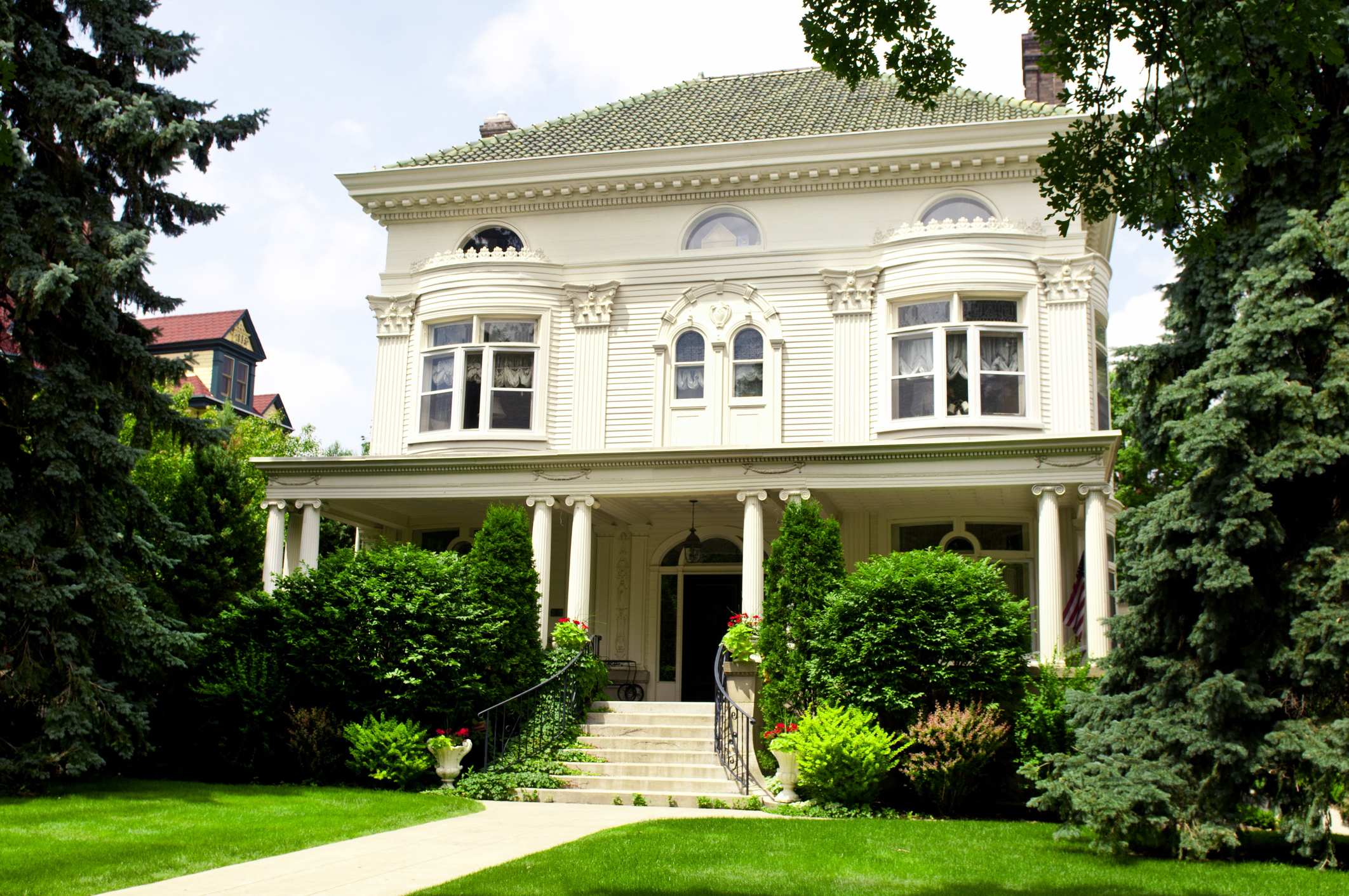
Renovation guidelines can vary widely depending on the governing organization. However, most allow modern upgrades as long as the home’s exterior appearance remains unchanged. Preserving historic homes is important, but it’s also essential to recognize that older building materials may not meet today’s standards for energy efficiency or safety.
While renovating a historic home may involve additional steps and approvals, it shouldn’t deter you from investing. Renovated homes typically see increased market value, and historic properties already command strong resale prices. The result is a sound investment that also preserves a unique piece of history.
Tri-County Development is experienced in every aspect of historic home renovation. Our team will guide you through the process, ensuring your vision becomes reality while honoring the character and heritage of your home.


